Agency enhances online platform to expand service for disability casesBaltimore, MD – The Social Security Administration (SSA) today announced major enhancements to my Social Security, expanding self-service options and the notices available to individuals navigating the disability claims and appeals process. The new tools will provide individuals with greater visibility, faster access to information, and more efficient case processing throughout the lifecycle of a disability claim. “Our digital-first approach to service is now extending to disability through the Claim Status Tracker, expansion of digital notices, and online document submission, enabling SSA to deliver better outcomes for the American people,” said Commissioner Frank J. Bisignano. “By making more tools available online, we are empowering claimants to stay informed and manage their Social Security benefits with greater ease and confidence.” “These digital tools will streamline operations and empower claimants to stay informed and promptly respond to important developments throughout the hearing process, eliminating the need for hearing offices to make outbound calls and instead, focus on reviewing cases in a timely manner,” said Chief of Disability Adjudication Jay Ortis. Enhancements to my Social Security Submit Disability Adjudication Forms Online: Individuals can now complete and submit disability adjudication forms directly through their personal my Social Security account, including:
Online submission helps ensure adjudicators receive information quickly and supports more efficient case processing. Track Disability Claim Status Online: Individuals with a pending disability claim, appeal, or recently adjudicated claim can now view the status of their case online at the Hearings and Appeals levels. The Claim Status Tracker provides real-time updates, processing time estimates, and key milestones throughout each level of adjudication. Features include:
Access Proffer Letters Securely: Individuals can securely access proffer letters in the my Social Security Message Center. A proffer letter is a notice sent when new evidence is added to a case after a hearing, allowing claimants to review and respond before a decision is made. Access 26 Additional Social Security Notices in my Social Security Message Center: Individuals can view electronic copies of their hearing-related notices by logging into their personal account. The following notices are now available for digital release to accountholders:
Claimants may opt to receive email or text notifications when new documents are available. Paper notices will continue to be mailed to claimants and their appointed representatives. This enhancement supports faster case processing and timely communications. SSA continues to increase the functionality of my Social Security to ensure that the more than 100 million Americans with accounts have a seamless experience when accessing their personal information. With an account, individuals have 24/7 access to their personalized retirement benefits and 1099 forms, can receive tailored notifications, request a replacement card, manage benefits or estimate future benefits, request replacement documents, check the status of pending applications, and conduct other services anytime, anywhere, without needing to visit an office or wait on the phone. Visit www.ssa.gov/myaccount to create a personal account. For more information about Social Security’s services, visit www.ssa.gov. ### For more Social Security news, follow the agency on X @SocialSecurity. |
||
|
Social Security National Press Office Baltimore, MD |
Month: July 2026
WHAT IS AN ACTIVE ADULT COMMUNITY
Posted on | by adm1n
ACTIVE ADULT COMMUNITIES
Active Adult Communities are for individuals 55+--whether age-restricted or age-targeted-offer low-maintenance homeownership with a built-in-lifestyle focus. These neighborhoods typically consist of single-family homes, cottages, patio homes, condominiums, or townhomes. A monthly association fee covers exterior maintenance, landscaping, and shared amenities, allowing residents to enjoy a worry-free lifestyle. Homes are usually designed with aging in-place in mind, offering open layouts, single-level living and accessible features.
55+ apartment communities provide rental-based living with similar age restrictions but without the responsibilities of homeownership. These apartments are ideal for those who prefer flexibility, minimal upkeep, or want to avoid long-term property commitments. Amenities often include on-site staff, fitness rooms, social activities, and maintenance services.
While both types of communities offer opportunities for active, independent living and social connection, the key difference lies in ownership and commitment. Homeownership provide long-term investment potential and a sense of permanence, while apartment living offers mobility and convenience for those looking to downsize or keep options open.
Both appeal to older adults seeking community, security and lifestyle-enhancing amenities – just in different ways.
Most of my clients or those inquiring about the active adult communities lifestyle are deciding it is time to down-size as the children(s) are grown adults and moved out more individuals or couples want to travel more and less maintenance with home. It is time for you!!
Brenda Dever-Armstrong, CEO/Owner/CSA/Geriatric Advisor
The Next Horizon Seniors & Military (Veterans/Spouses) Advocate/Resources/Services/Locator
Bus Cell: 210-275-3002
Email: deverb@att.net
www.nexthorizonlocators.com
HOW TO IDENTIFY AND AVOID SCAMS
Posted on | by adm1n
SCAMMERS ARE IMPERSONATING ALL AGES – ESPECIALLY SENIORS
Even if your caller ID, text or email says your bank, credit union or other personal institutions, be cautious! Watch out for scammers who want to video call you or take control of your screen. Don’t click links in texts you were not expecting or share one-time codes and passcodes. Call the institutions!!
Unsolicited Contact: If you get an unexpected email, text or call of social media message asking for money or information, could be a scam.
Posing as someone you trust: Scammers pretend to be figures like government officials, companies, financial institutions, IRS, Courts saying you owe money or a family member in jail – bail them out, or even friends/family. Don’t trust caller ID to verify their identity.
Pressure to act fast: Scammers often use limited-time offers, threats or emergencies to rush you into making quick decisions.
Emotional manipulation: If someone is playing on emotions like fear, sympathy, or excitement to influence your decisions, it might be a scam.
Requests to pay in specific ways: Scammers often insist on payment through cryptocurrency, wire transfers, payment apps or gift cards.
THE STOP METHOD CAN HELP PROTECT YOU
These steps can help you stay ahead of scammers:
Stay Cautious: Always be on alert when someone asks for information or money.
Take Your Time: Scammers want to rush you. Slow down and think before you act.
Only Trust Verified Sources: Double-check information through trusted channels.
Protect Your Info. Never share personal or financial details unless your are sure who you are dealing with.
FALLING FOR A FAKE JOB LISTING
Some folks get a message on Linkedin from a “recruiter” at well-known tech company offering a remote position with a great salary. After the interview and they will hire you, they sometimes send a check to cover equipment costs. You go to deposit the check but it bounces, and the equipment never arrived. The recruiter and the company disappear, leaving you unable to get the money back.
DO YOUR RESEARCH: Do an online search for their names along with terms like “scam” or “complaint.” BE CARE WITH CHECKS: Scammers can make them look real before they bounce.
VERIFY THE COMPANY: Remember: scammers use technology and social media to appear credible. If you think it is fraud – you can also contact the Texas Attorney Office and report.
Brenda Dever-Armstrong, CEO/The Next Horizon Seniors & Military (Veterans/Spouses) Advocate/Resources/Services/Locator/Bus Cell: 210-275-3002/
Web: www.nexthorizonlocators.com
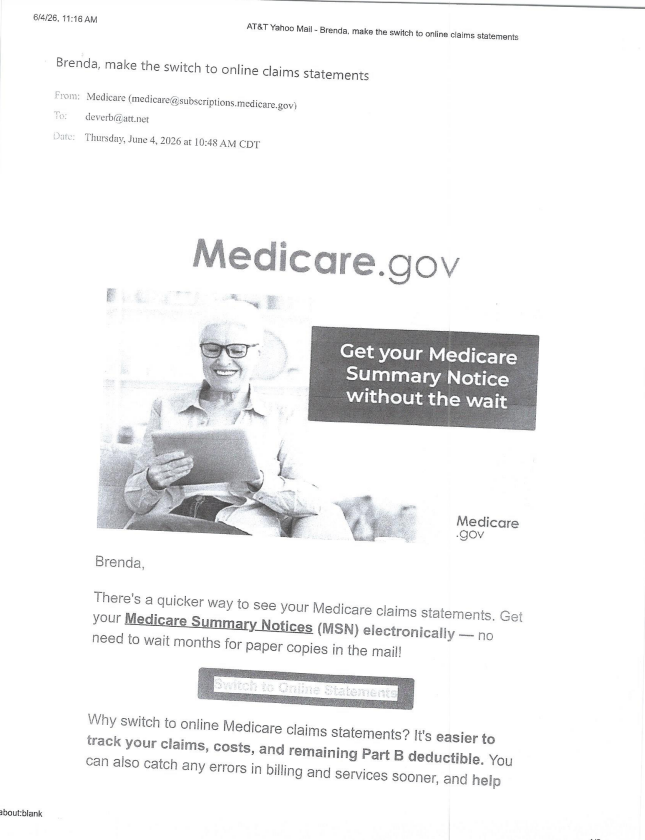
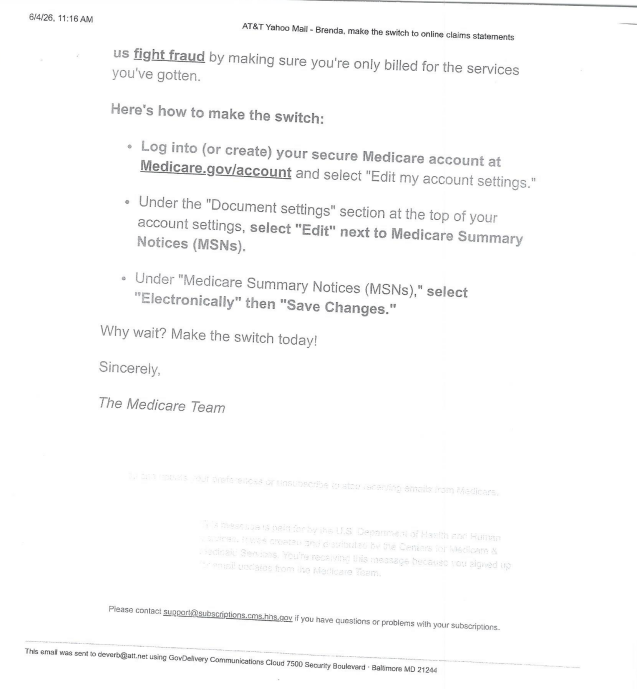
MEDICARE ONLINE 2026
Posted on | by adm1n